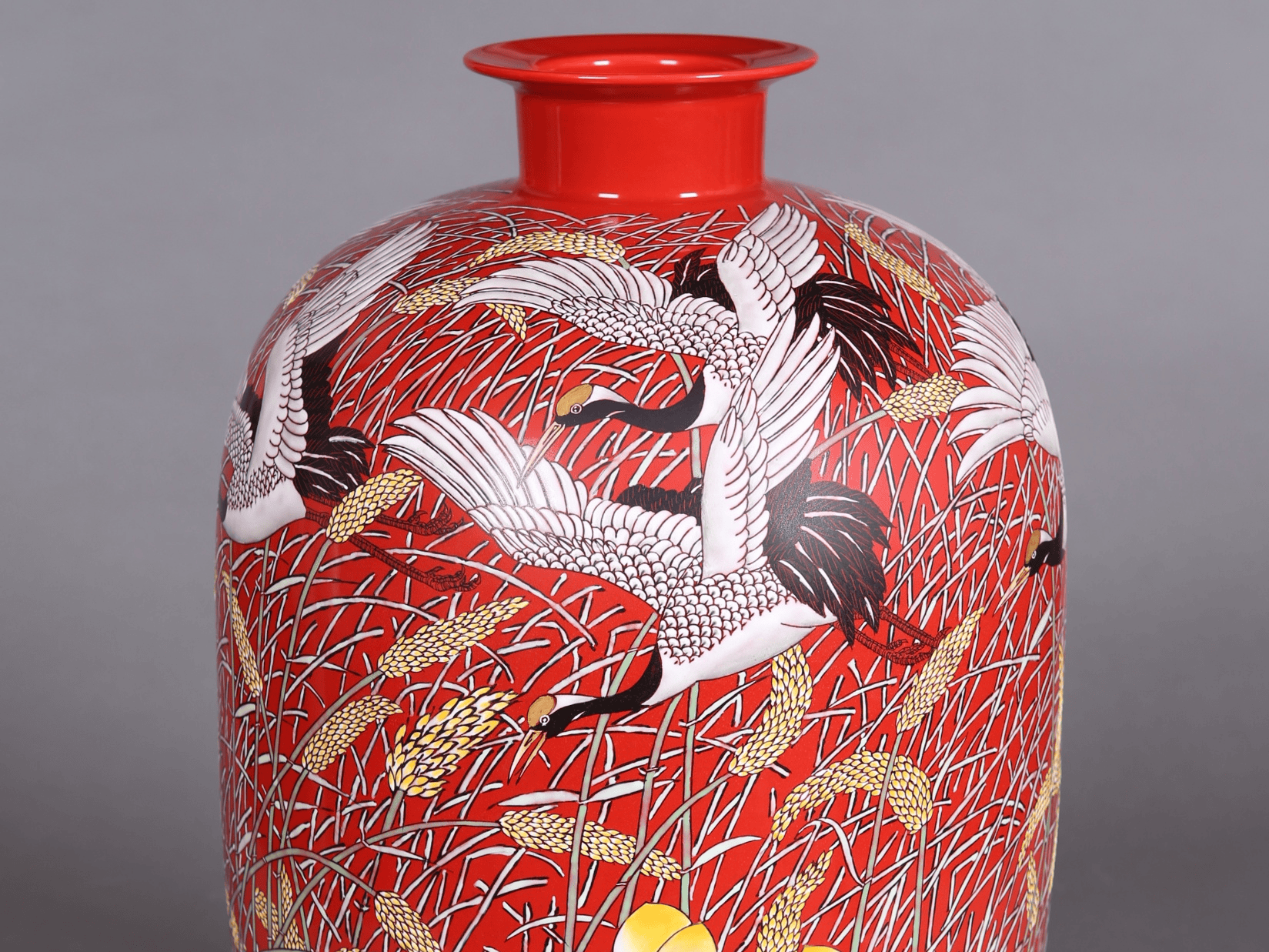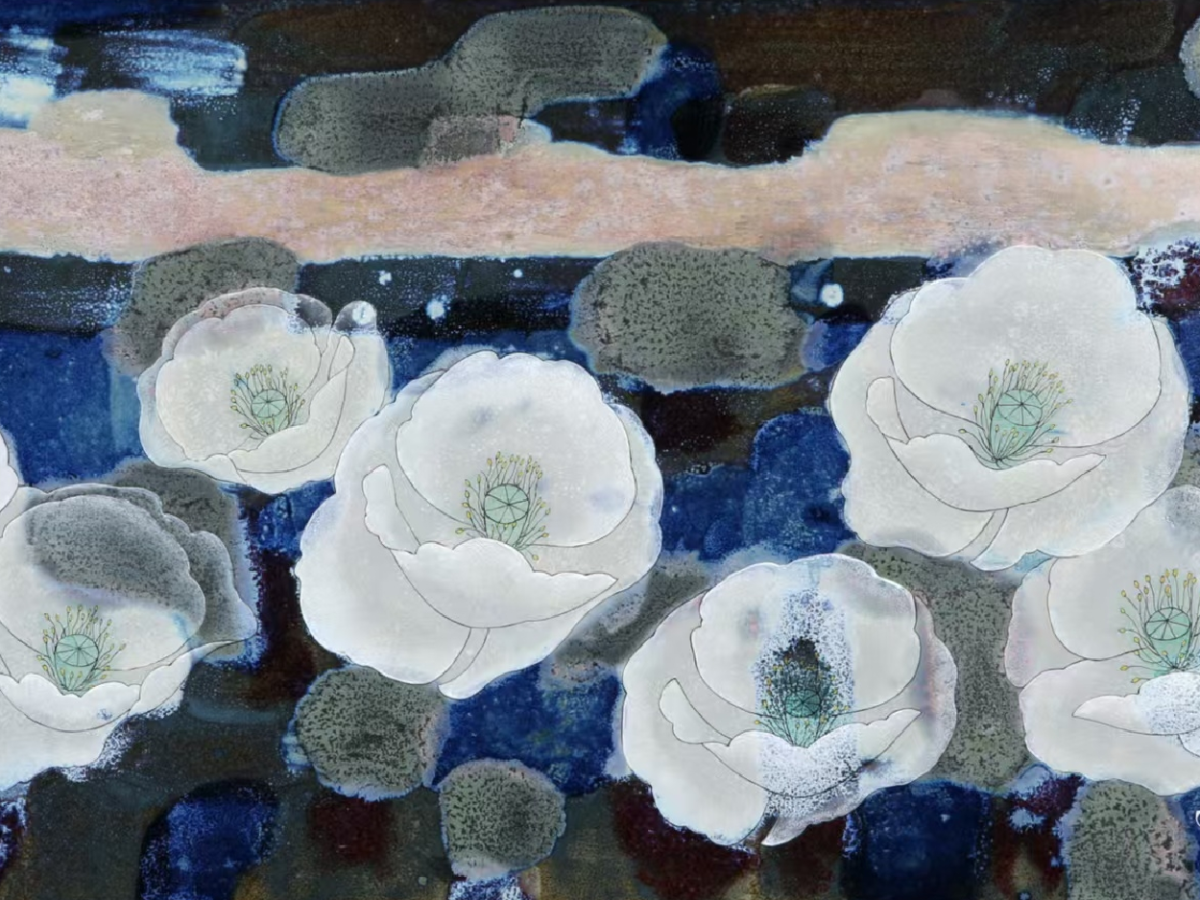
Stoneware form symbolizes a extraordinary expression style with a enduring legacy, reaching back multiple of periods. From ancient containers to recent showcases, the medium offers unmatched possibilities for creative representation. Builders utilize different techniques – including molding, wheel manipulating, and elevated firing processes – to mold humble clay into beautiful three-dimensional pieces. The permanence of fired stoneware also contributes to its status as a truly memorable part of human custom.
Researching Ceramic Tile Patterns and Processes
The domain of ceramic marker design offers a extensive array of expressive possibilities. Makers often engage a assortment of established and innovative techniques to develop visually bold pieces. These can move from simple, hand-carved reliefs to complex, multi-layered compositions. Common methods include the slip cast process, artisanal shaping, varnishing – which can involve numerous techniques like underglaze painting, post-firing embellishment, and engraved motif where designs are exposed by taking away a layer of coating. Further scrutiny into finishing techniques such as raku firing and pearlescent coating can offer truly special and bespoke stoneware tiles.
- Slip Casting - Fabricating pieces using a cast
- Manual Fabrication - Physically forming the clay
- Surface Treatment - Painting the top with a vitreous finish
- Scraped detail - Showing designs by abrading coatings
Mesmerizing Experiences: Terracotta Art Displays
The maturing landscape of visual arts presents exciting innovative avenues for guests, and ceramic art installations are at the pinnacle of this shift. These aren't just static statues; they are fashioned to envelop the observer in a sensory realm. Imagine passing through a forest of towering, glazed ceramic trees, or navigating a complex of intricate ceramic vessels. Many sculptors are now incorporating sonics, luminescence, and even odor to enhance the feeling of their work. Reflect on the power of a room filled with hundreds of individually ceramic forms, each telling a tale. Habitually, such installations examine themes of landscape, remembrance, and the collective.
- Those installations blur the thresholds between work and venue.
- Observing a ceramic art installation can be a deeply significant journey.
- Designers are advancing the boundaries of what is feasible with clay.
A Elegance of the Brick Urn: Significance and Shape
The stoneware pot represents a lovely amalgamation of practicality and creative appeal. Historically, these pots served a basic function in keeping liquids, but their growth has transformed them into highly valued works of handiwork. Each item showcases the proficiency of the creator, demonstrating how form can be as essential as operation. The conscientious shaping, the distinctive glazes, and the full presence of a artfully-produced vase can transform a space, offering both appeal and a gentle reminder of the artistic hand.
Current Porcelain Model : Broadening Limits
Current stoneware figure represents a fascinating transformation from ancestral practices. Creators are boldly exploring with fresh tactics, merging the separations between sculpture and other creative fields. From expansive installations to fine miniature pieces, those works study themes of individuality while in unison remodeling the basic of what porcelain can manifest. The result is a vigorous sphere of expressive articulation.
Terracotta Panel: Conserving Chronicle in Porcelain
Stoneware plaques offer a special method for registering significant events and persons. Compared to traditional metal or stone markers, these tough pieces of design are formed from cooked clay, creating a material link to the former times. Frequently, they feature intricate figures or beautifully rendered imagery, portraying stories Ceramic Tableware that might otherwise be disregarded. These technique, traceable to ancient cultures, provides a striking and timeless way to recognize our collective history.
- These can be disposed in collective spaces.
- Various are now regarded historical artifacts.
Porcelain Art Showcases: Changing Spaces
Terracotta art installations are arising a compelling medium for builders to transform public and private settings. These immersive works frequently involve grand clay objects that engage viewers, changing their experience of the developed environment. By applying diverse methods like fabricated molding and detailed firing methods, ceramic artists develop truly remarkable experiences, overlapping the separations between sculpture and setting. The outcome is often a strong alteration that boosts the artistic quality of the environment and inspires discussion.
Origin Lathe to Beauty: The Trade of the Earthenware Receptacle
The journey of a clay holder from a simple lump of earth to a polished work of art is a testament to human talent. Classicall, the process initiates with the potter’s rotary device, where the talented artisan carves the rotating soil into a cylindrical configuration. This first period demands skilfulness and a trained eye, followed by a delicate solidifying period. Once bisque-fired, the container is ready for beautification, which may involve coloring intricate sketches, carving detailed imagery, or utilizing a multitude of coatings. The concluding treating process then transforms the object into a durable and lovely pot, a tangible example of the creator's passion.
Pottery with Pottery: A Course to Brick Craft
Entering the field of terracotta production begins with understanding the fundamentals of carving with stoneware. The aforementioned approach comprises thoughtfully layering and taking away components to make three-dimensional creations. If you're a starter or a master artist, experimenting with various kinds of earthenware – including porcelain – will aid you reveal your singular method. Eventually, earthenware crafting is a gratifying experience that integrates specialized ability with artistic representation.