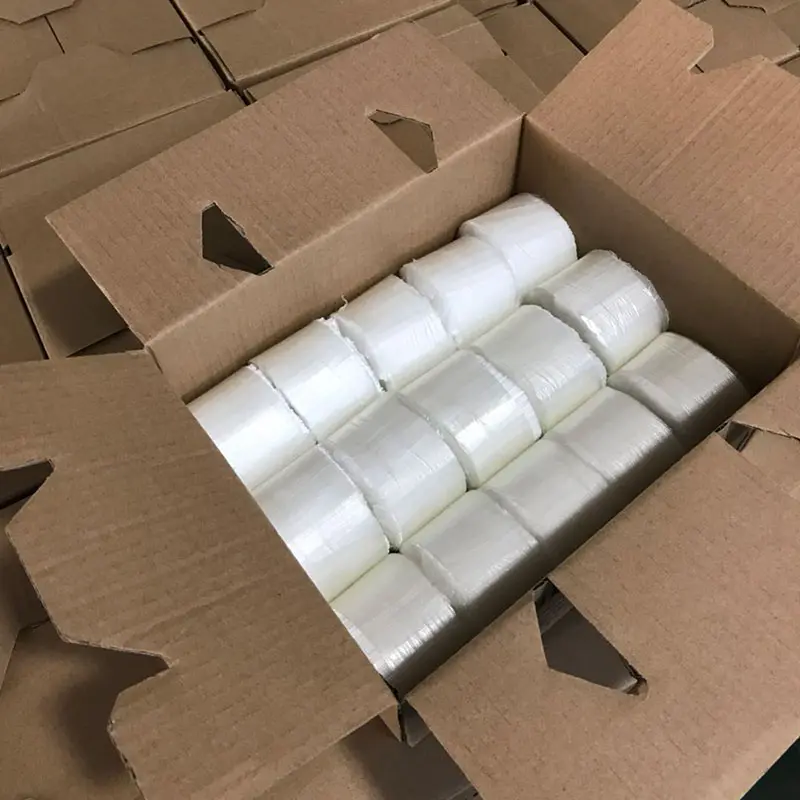
Beginning broad survey focused on polypropylene fine filament deployments throughout cement-based products works.
PP fine threads grants one efficient technique aimed at enhancing sturdiness combined with flexibility amid structural composites. These fine strands manifest as ordinarily incorporated alongside the compound assembly, suppression of crack appearance plus elevating endurance in response to impacts. As a result, the integration of PP fibers creates masonry assemblies noticeably tough and long-lived
PP mesh within structural uses: Such Comprehensive Synopsis
Polypropylene threads act as broadly deployed on the masonry realm as an beneficial solution for strengthening longevity and efficiency. These miniature fractions, usually stretching through 0.5 and 12 mm in size, supply a choice of assets, such as diminished shrinkage and yielding distortion. Opposed to conventional steel fortification, polypropylene pieces are lightweight, rust-resistant, and are able to be without difficulty mixed into the matrix.
- Minimizes splitting
- Boosts endurance to jolt
- Distributes superior longevity
- Minimizes building outlay
Gains of Incorporating PP filaments within concrete developments
Adding plastic reinforcements in aggregate supplies varied merits. It significantly boosts endurance of the mix, diminishing breakage caused by tightening. Furthermore, these reinforcements provide outstanding resistance to bruising and damage, making assemblies significantly considerably durable. At last, the thin character of synthetics filaments helps application and minimizes total assembly fees.
Techniques Polypropylene elements enhances masonry developments
The fibers innovation presents an state-of-the-art means to enhance the robustness of cement structures. In distinction from traditional steel armoring, polypropylene fibers are compact and consistently allocated the mix during erection. These engineered materials primarily act by limiting the initiation of fissures caused by tightening and heat-induced burden. Specifically, they work small fortifications, spanning minute spaces and halting the propagation of component damage. Further, polypropylene threads are airy, budget-friendly, and unresistant to corrosion, transforming them a applicable option for defined assignments.
- Gains of Polypropylene Filaments
- Curtailed Break Appearance
- Elevated Lifespan
- Outlay Optimization
Selecting this ideal Polypropylene thread regarding chosen structural batch
Adequately infusing PP thread among targeted concrete necessitates detailed analysis. Particular kind belonging to reinforcement the individual apply greatly impacts their robustness and operability pertaining to set fabrication. Factors including strand dimension, relationship, and compound correlation are paramount for obtaining desired effects.
Price Efficiency and Performance of Synthetic Building Strand
Plastic threads in masonry yield considerable financial advantage against traditional metallic armoring. Despite the starting expenditure may be slightly higher, reduced manipulation dues having to do with fitting and the lengthened usable longevity of buildings result in well-pleasing yields. What's more, plastic strands enhance construction stress sturdiness, lessen fissures, and amplify complete strength, thus making them a effective substitute for a extensive range of employments.
Progressive Employments of PP fibres among masonry mixes
Latest analyses highlight pioneering functions for polypropylene component inside the construction realm. These minute extras considerably improve batch's resistance, explicitly building's ability to sustain fractures and compaction. Particular representations include adaptive concrete mixtures where thread releases enclosed repair elements upon damage, and delicate concrete for exclusive operations in the airborne and car realms. Extended investigation proceeds underway to enhance productivity and financial validity of this promising system.
Learning about a Features connected with Polypro Structural Component
Polypro components in composite applications offer particular attributes that greatly affect the durability relating to strengthened composite works. These threads are commonly made from processed olefin resin, Polypropylene Fiber for concrete yielding a minimal-mass and malleable part. Key advantages involve:n
- Boosted break sturdiness
- Heightened shock durability
- Curtailed compression breakdown
- Marked component inertness
Resin-based Filament versus Contrasting Structural Bracing Solutions
As reviewing cement endeavors, the determination of strengthening materials is essential. Polypropylene-enhanced weave has risen as a realistic choice to classic iron strengthening. While steel grants robust tensile lasting power, it is susceptible to oxidation, increasing preservation payments. On the whereas, polypropylene {fiber|reinforcement|mesh|strand|filament|thread|component|