Opening
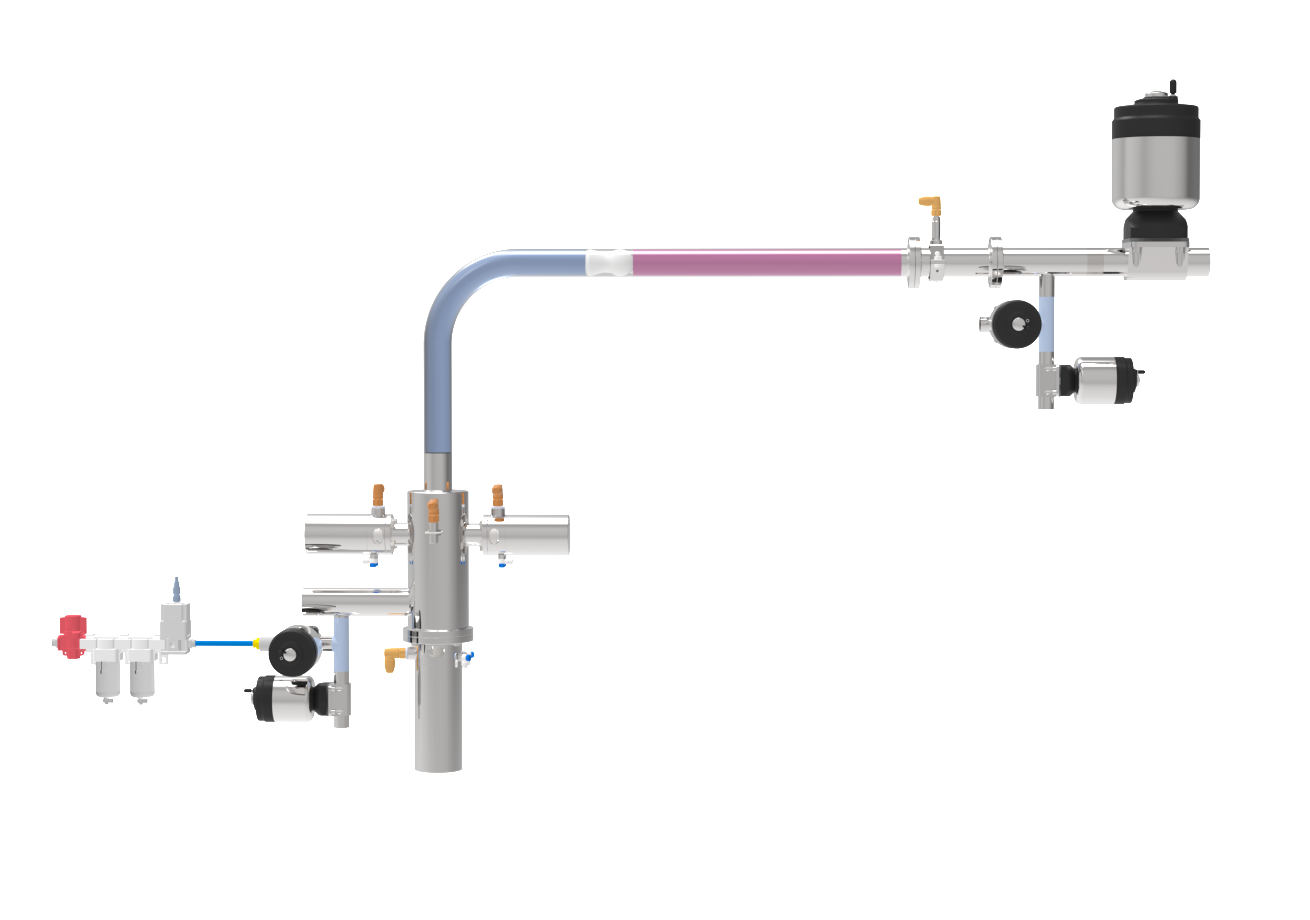
Mechanized pipeline maintenance applications present a meaningful improvement over traditional tactics for guarding the soundness of conduits. These high-tech mechanisms accelerate the process of transmitting a "pig" – a unique device – through the pipeline to clean off deposits like mineral build-up, corrosion, and accumulations. By cutting down downtime and improving working productivity, automatic pigging technology stand for a crucial commitment for enterprises relying on channel transportation of fluids.
Spotless Cleaning : Upkeeping Line Cleanness in Gastronomy Industry
Guarding impeccable hygiene within nourishment manufacturing facilities is important, particularly when it comes to conduits used for sending products. Hygienic swabbing offers a potent solution. This advanced technique involves inserting a apparatus – often a foam device – into the duct to wash out contaminants, including microorganisms, and improve broad hygiene. Benefits include mitigated risk of pollution, advanced beverage grade, and augmented process effectiveness. Criteria for use include apparatus manufacture compatibility with the food and duct assembly.
- Minimizes taint possibility.
- Improves food grade.
- Expands production productivity.
Line Operations: Elevating Output and Limiting Overflow
Piping mechanisms offer a substantial advancement in duct workflow for various enterprises, particularly within the oil and refining sectors. By moving a “pig,” a tailored unit, through the pipeline system, deposits are cleared, maintaining volume and cutting product shrinkage. This generates a lessened fee and a more eco-friendly policy to capital governance.
A Future About Pipelines: Assessing Self-operating Pigging Technology
A prospect regarding pipeline control is steadily being steered by smart pigging processes. Traditionally, pigging functions have rested on physical intervention, but the advent regarding autonomous pigs promises heightened efficiency, minimized downtime, and better safety. These innovative systems utilize probes, figures, and automated intelligence to explore pipelines autonomously, locating damage and performing scouring tasks with notable precision. Forecasting widespread use, automatic pigging represents a crucial step towards a more enduring pipeline framework globally.
Process Pigging vs. Human Purging
Ensuring pipeline soundness within the culinary industry presents a considerable challenge. Historically, operator-driven flushing has been the typical method, relying on personnel to independently clear debris and residues. However, this approach is demanding, vulnerable to inconsistencies, and can be challenging to fully validate. Pristine flushing, on the other hand, offers a modern alternative. This process utilizes a tool propelled through the tube to remove deposits, providing a more efficient and regular disinfection process. Key contrasts include:
- Price: Traditional cleaning often involves considerable labor expenses, while purging has upfront investment curtailed overall charges.
- Power: Cleaning habitually offers superior performance compared to hand-held strategies.
- Verification: Confirming the thoroughness of cleansing is convenient with flushing due to cataloging capabilities.
- Risk: Conventional cleaning can expose employees to precarious conditions, whereas swabbing curtails this menace.
Integrating an Self-operating Pigging System: Recommended Procedures
Correctly implementing an mechanized pigging platform requires meticulous organization and adherence to established best standards. To begin, carry out a extensive study of your pipeline to identify the unique barriers requiring pigging. This covers assessing the category of deposit, the zone of jams, and the general health of the equipment. Subsequently, determine a pigging installation compatible for your unique operational requirements.
Moreover, highlight detailed teaching for technicians assigned in the execution practice. This should include instruction on secure operation of the technology and knowledge of unforeseen plans.
- Consistently review the tool and related sections for deterioration.
- Define a dependable servicing program.
- Record all cleaning runs and associated records.
- Check the bearing on channel rate and substance grade.
To conclude, continuous monitoring and modification of the process campaign are crucial for ensuring efficiency and maximizing the channel’s employable active period.
Diagnosing Frequent Issues in Uncontaminated Purging Setups
Successful management of sanitary pigging mechanisms often required preventative assessment. Repeatedly, clogs caused by clogging are noticed, which may be solved through scrupulous inspection employing appropriate implements. Besides, decreased flow reveal compromised cleaning elements or in-pipe wear. Regular support, including scraper substitution and thorough assessment of duct quality, is essential to limit interruptions and support maximal functionality.
Intelligent Rinsing Processes for Technical Lines
Computerized inspection offers substantial positive outcomes for industrial ducts, significantly enhancing operational output. The method provides a assortment of upsides, including reduced breaks, minimized tending outlays, and improved good purity.
- Lessened flow decrease leading to resource minimizing.
- Enhanced line durability, warding off blockages.
- Improved flow by removing deposits.
- Enhanced hazard reduction for crew and the ecosystem.
Reduced Expenses with Sanitized and Automated Clearing Systems
Implementing sterile and electromechanical rinsing applications offers substantial expense reductions for piping operators. These state-of-the-art technologies minimize good loss due to sticky buildup, significantly lowering spoilage. Beyond substance recovery, purging solutions cut down the frequency of timed duct shutdowns for inspection, translating to augmented production uptime. Furthermore, the reduced need for manpower and cleaning agent requirement further improves sanitary pigging system the overall budget-friendliness of your system.
- Less Item Loss
- Improved Functional Capacity
- Decreased Staff Effort Outlays