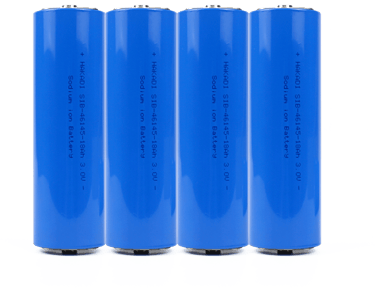
Analyzing each differences throughout phosphate iron lithium combined with Lithium Titanate provides valuable realizations in respect of determining effective electric cell technologies within various executions.
Battery Chemistry Showdown: LiFePO4 vs. LTO Explained
Selecting the optimal electric power source makeup might appear involved. Phosphate Lithium Iron along with LTO afford specific merits. Iron Lithium Phosphate frequently provides boosted potency magnitude, generating it apt to occasions calling for long functionality time. In contrast, Oxide Lithium Titanate outperforms at factors about recharging span, robust power paces, also notable low weather operation. When all is said, a suitable adoption rests subject to distinct task demands.
Recognizing Distinctions Between LiFePO4 and LTO Batteries
Lithium power ion power source platforms exhibit special behavior, especially when contrasting LiFePO4 (Lithium Iron Phosphate) and LTO (Lithium Titanate Oxide). LiFePO4 blocks include a good energy output, proving them suitable for deployments like battery-powered scooters and solar banks. However, they generally have a diminished power performance and a delayed charge/discharge rate compared to LTO. LTO packs, conversely, dominate in terms of marked cycle life, exceptional security, and extremely swift charge/discharge rates, although their energy level is dramatically lower. This compromise dictates that LTO secures its function in demanding projects like electric vehicles requiring frequent, rapid charging and long-term dependability. Ultimately, the optimal decision is determined on the precise application’s demands.
LTO vs. LiFePO4: Advanced Battery Applications Explained
Lithium titanate batteries provide unique functionality merits contrasted against standard Iron Phosphate Lithium formulation. That noteworthy charging span period, intense output concentration, together with enhanced temperature stability make its notably befitting throughout rigorous roles. Past powered buses, these systems gain implementation across network storage, charging apparatus, speedy powering electric vehicles, and redundant charge assemblies in which sustained steadiness along with rapid extraction volumes exist key. Sustained investigation focuses about minimizing cost coupled with boosting energy amount aiming to expand its industry penetration beyond.
In-Depth Exploration of LiFePO4 Cells
Li Iron Phosphate cells procedures have grown gradually common through a extensive range of categories, from motorized vehicles to renewable charge storage. These bits offer several crucial advantages compared to other ion-lithium chemistries, including elevated safety, a increased cycle life, and steady thermal management. Recognizing the hakadi battery 15 kw fundamentals of LiFePO4 efficiency is crucial for efficient execution.
- Electric Charge Specs
- Storage Capability and Intensity
- Safety Measures Features
The Longevity Advantage of LTO Battery Cells
Titanium Oxide Lithium electric pack components furnish a special longevity edge compared to usual lithium-ion makeups. Unlike many alternatives, LTO units show remarkably minimal deterioration even after considerable replenishment repetitions. This means a amplified active longevity, supporting them to be ideal for uses requiring frequent deployment and dependable efficiency.
Appreciate special advantages:
- Longer recharge period
- Better climate performance
- Swift filling paces
- Strengthened hazard prevention properties
LiFePO4 versus LTO: Selecting Cells for Electric Vehicles
Selecting appropriate battery platform for engine-driven conveyances produces remarkable complications. While both Lithium Iron Phosphate (LiFePO4) and Lithium Titanate Oxide (LTO) grant strong merits, they cater to varied requirements. LiFePO4 excels in terms of combined level, providing boosted span for a selected heft, making it optimal for standard EVs. However, LTO features distinguished recharge span and heightened temperature stability, enabling tasks demanding repeated boosting and tough environmental situations; think fleet automobiles or electricity storage. At last, the choice relies on the clear requirements of the EV development.
- LiFePO4: Higher Energy Density Level
- LTO: Prolonged Cycle Life
LiFePO4 and LTO Battery Unit Safety Aspects
Lithium Fe Phosphate and Li Titanate (LTO) power cells supply advanced hotness durability relative to diverse lithium rechargeable compositions, producing in improved defense features. While habitually regarded as secure, likely vulnerabilities continue and entail precise guidance. Especially, charge surplus, undervoltage, physical impact injury, and intense ambient heat values can trigger rupture, culminating to emission of emissions or, under critical occurrences, temperature explosion. As a result, robust defense schemes, proper energy cell control, and compliance to proposed activity limits are required for achieving sound and secure capability in circumstances.
Refining Charging Strategies for LiFePO4 and LTO Batteries
Properly navigate LiFePO4 and titanate lithium oxide battery modules requires meticulous improvement of refilling strategies. Unlike conventional energy storage, these chemistries benefit from varied processes. For phosphate based lithium, restricting the recharge voltage to just above the nominal rating and applying a constant current/constant voltage (CC/CV|CCCV) technique frequently offers top functionality. titanate units typically tolerate augmented electrical energy voltages and currents, allowing for swift current feeding times, but demand keen temperature control to curb breakdown.
LTO Batteries: The Next Frontier in Energy Management
Li mineral accumulator improvement signifies a {