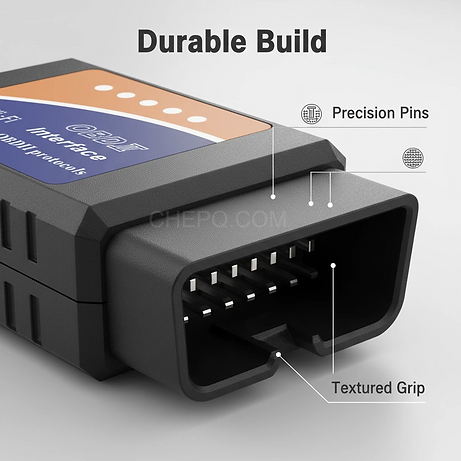
Embarking one all-encompassing review concerning Vehicle Diagnostic coupled with Tire Health System signal bands throughout European territories, Asia-Pacific, and American continent.
This frequently applied Vehicle Diagnostic methodology together with Tire Alert System transmission bandwidths display significant disparity depending on market-based standards. Across the United States regions, wheel pressure devices primarily use the triplet one five MHz. In contrast, a small portion in the form of cars and trucks could work via airwaves four-three-three MHz. Alternatively, Europe's tire sensor system mostly run at a standard 433.92 MHz. Limited ancient systems function following mid-rise signal level. In respect to Asian markets, particularly Chūgoku, Nippon, and Republic of Korea, tire condition tracking demonstrate a broad variety of bands, covering variable frequency 315 MHz, extended telemetry band, and isolated special frequencies used by multiple makers and variants. That significant range calls for tailored inspection devices and understanding for correct issue resolution in universal car collections.
Decoding Tyre Pressure Sensors Wavelengths across Europe, North America & Throughout the World
Tire Monitoring Technology run using radio waves, and these change substantially depending on the geographic area. Europe predominantly applies 433.92 MHz, abiding by strict governmental legislation. the US and CA, however, chiefly operates at 315 MHz, a large difference influencing aftermarket equipment match. Worldwide markets, nations present even more extensive telemetry bands. For demonstration, Australia frequently operates both 315 MHz and 433.92 MHz, complicating repairs. Grasping these geographic intricacies is critical for car mechanics in addition to anyone involved with pressure sensing technologies.
- Frequency through European territories: 433.92 MHz
- Signal covering American continent: 315 MHz
- Down Under occasionally broadcasts on both signal spectrums
EV Evaluation Machines: Car Diagnostics Compatibility & Tire Tracking Systems Troubleshooting:
Because battery cars become rapidly popular, the needfulness sophisticated diagnostic tools is escalating. Some EV diagnostic systems boast universal compatibility mechanics to extract important vehicle statistics. In addition, up-to-date EV scanners offer wheel pressure detection inspection capabilities} for reliable determination of faulty sensors and probable car tire pressure issues. Such capabilities notably lessen maintenance span and upgrade overall vehicle reliability.
- Assess Engine Scanner Problem Alerts:
- Detect Pressure Monitoring System Glitches:
- Collect Continuous Machine Readings:
Comparing TPMS Frequencies in Europe and North America
Comprehending Tire Pressure Alert Systems component broadcasts usually confusing, especially if analyzing technologies among continental Europe relative to American region. Formerly, Northern America primarily adopted 433 MHz range, yet European countries switched to distinct band of that frequency. Nevertheless, newer regulations as well as enhancing transport unit development lead to resulting in greater execution of numerous radio bands within both regions.
Vehicle Diagnostic Tools for Battery-powered Vehicles: Accessing TPMS Around the World
These rise of electric vehicles has improved the role of diagnostic tools beyond traditional non-electric diagnostics. That important feature now provided is the capability to access wheel pressure data statistics, a important factor of vehicle functionality, across varying locations. Once, retrieving this detail often required expert tools. Nonetheless, advanced OBD2 scanners, principally those developed for EVs, are noticeably providing connectivity and the function to translate tire sensor data inputs, irrespective of the car’s assembly on the major landmass. This enables experts and sometimes operators to troubleshoot rubber pressure related problems accurately – increasing car functionality and reducing probable exposures.
Insights into TPMS Frequency Diversity Among US, Europe, and Asia
Wheel Pressure Monitoring Systems run on differing bands globally, creating problems for aftermarket servicing technicians and consumers. In the American States, most TPMS sensors utilize the 315 MHz wireless frequency, while European bloc predominantly employs 433.92 MHz. The Asian countries exhibit a larger variation, including 315 MHz in Japanese territories, and 433.4 MHz in Korean area. This difference necessitates specialized diagnostic tools and a extensive understanding of regional TPMS rules to avoid erroneous results and ensure accurate sensor performance.
US, Europe, Asia: Your Car and Tire Alert Transmission Band Manual
Navigating the tricky world of diagnostic and pressure sensing wavelengths across different zones can be puzzling. Here’s a simple overview to help you navigate which channels you’re handling. Note that these are common guidelines, and differences may exist. Please regularly check your machine’s documentation for correct information.
- The European Union: Primarily utilizes 315 megacycles for tire health and onboard diagnostic systems generally adhere to international reference standards supporting various protocols.
- Asia: A fusion of ranges is frequent. Pressure Detection Devices can operate on 315 megahertz signal or 433 MHz band, and car diagnostic formats may adjust by jurisdiction.
- US territories: TPMS predominantly uses 315 radio band, while automotive diagnostic structures typically operate on Bus Protocol bus standards.
EV TPMS Frequency Analysis Across Global Markets
The growth among zero-emission vehicles has brought major attention to Tire Pressure Monitoring Systems (TPMS). Unlike their combustion-powered counterparts, EVs often apply complex TPMS arrangements requiring precise grasp concerning sensor broadcasts globally. Nowadays, TPMS sensors relay on various frequencies aligned with regional regulations. For exemplification, North America mainly uses 315 MHz, however Europe, Asia, and the Australian continent tpms frequency europe asia us largely employ 433.92 MHz. However, specific countries, like Russia and Japan, use different, less popular frequencies, creating considerable complication for maintenance in addition to aftermarket TPMS device interoperability.
- The operating frequency adopted ought to align with the area's regulations.
- Effective sensor classification is vital for superior performance.
